
Screen Enclosures and Hurricane Season
Prepare before the season, secure before the storm, inspect carefully after.
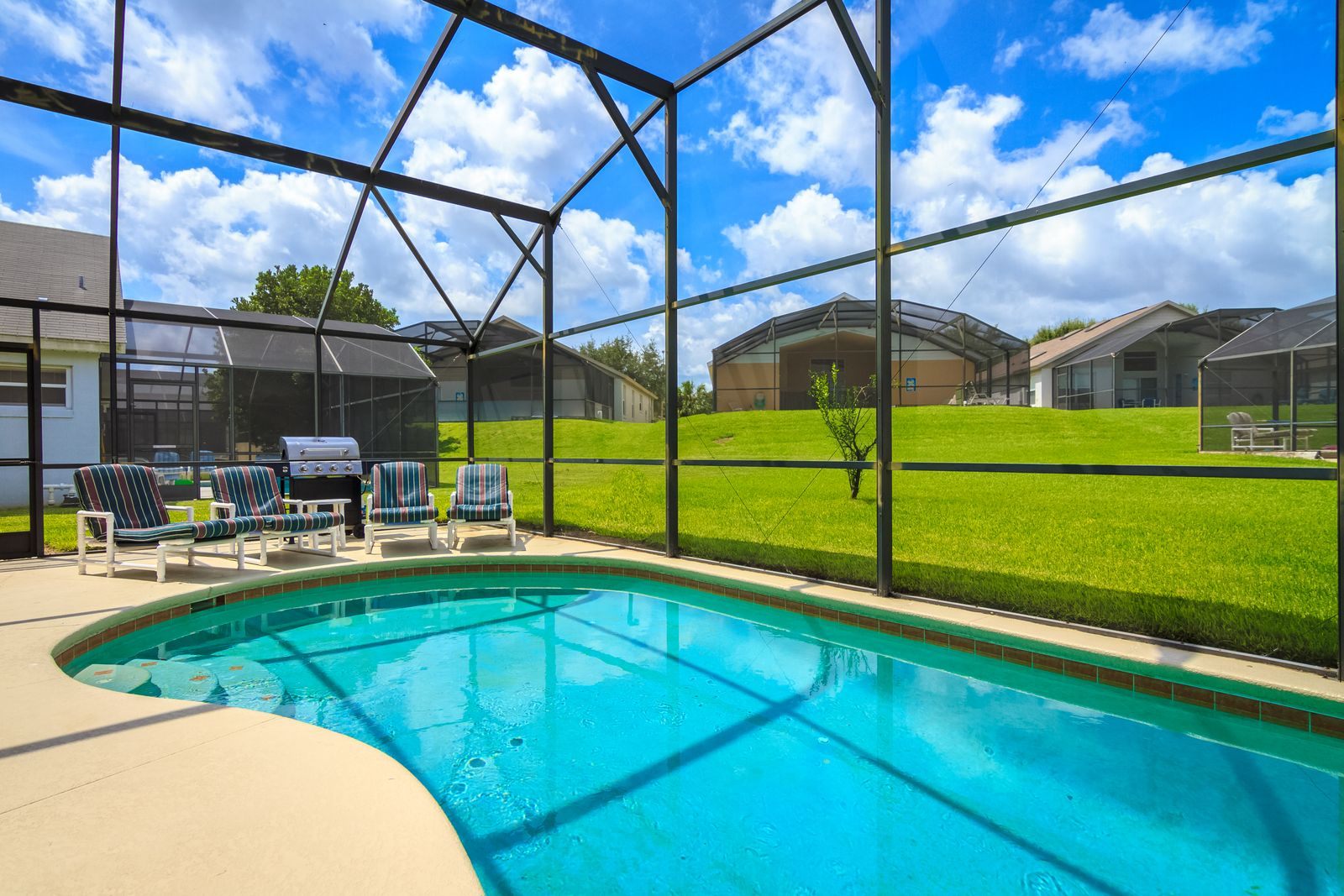
Ready.gov Hurricane GuideScreen enclosures are built to stand up to wind, but they are also among the first things storms damage. A little preparation before hurricane season, and a careful look afterward, makes repairs smaller and safer.
Before Hurricane Season
- Walk the enclosure and look for loose panels, missing screws, corrosion at the base plates and gaps at the house wall.
- Re-screen torn or flapping panels so they don’t tear further in the first strong wind.
- Trim branches and palm fronds that overhang the roof of the enclosure.
- Ask whoever installed or maintains your enclosure what they recommend for storm prep on your design.
- Photograph the enclosure in good condition for your insurance records.
For your household plan, supplies and evacuation zones, use the Ready.gov hurricane guide and the National Hurricane Center preparedness pages.
When a Storm Is Coming
- Bring in or tie down patio furniture, grills, planters, toys and pool equipment; inside an enclosure they can be blown through the mesh.
- Close and latch screen doors.
- Don’t climb on the enclosure or work on it once winds pick up.
- Follow official instructions from local emergency managers above anything else.
After the Storm
- Check from outside first. Look for bent beams, lifted base plates and leaning walls.
- Keep away from power lines and wet electrical equipment.
- Photograph everything before cleanup.
- Pick up debris inside carefully; torn aluminum and mesh edges are sharp.
- Book a licensed contractor for structural damage. In Florida, verify the license with the Florida DBPR license search.
- Be cautious of unsolicited door-to-door offers right after a storm; get written estimates and check licenses first.
Screen Panels Versus Structure
Torn mesh on its own is the easy part. Once a licensed contractor has confirmed the frame is sound, wall panels can be re-screened one by one, often by the homeowner. If the frame is damaged, the mesh waits until the structure is repaired, because re-screening a bent frame simply tears again.
Insurance and Paperwork
Coverage for screen enclosures varies widely from policy to policy, and some policies limit or exclude them. Read yours before the season, not after a storm. Keep your before-and-after photos, contractor estimates and receipts together, and ask your insurer or agent how they want damage reported. A contractor can document structural damage in writing for the claim.
Storm Questions
Should I remove screen panels before a hurricane?
Advice differs by enclosure design, and cutting or removing panels can affect how the frame handles wind. Follow the guidance of the company that built or maintains your enclosure, or a licensed contractor, rather than a general rule. What everyone agrees on: secure or bring in loose furniture and objects before the storm.
Is it safe to go into a damaged enclosure after a storm?
Not until you have looked from outside. A bent or partly collapsed frame can shift or fall, and torn panels may hide sharp aluminum edges. Stay clear of downed power lines and anything touching them, photograph the damage for your insurer, and let a contractor assess structural damage.
Back to Panel Repairs
Once the structure is checked, torn wall panels can often be re-screened one at a time.
Pool Enclosure Repair