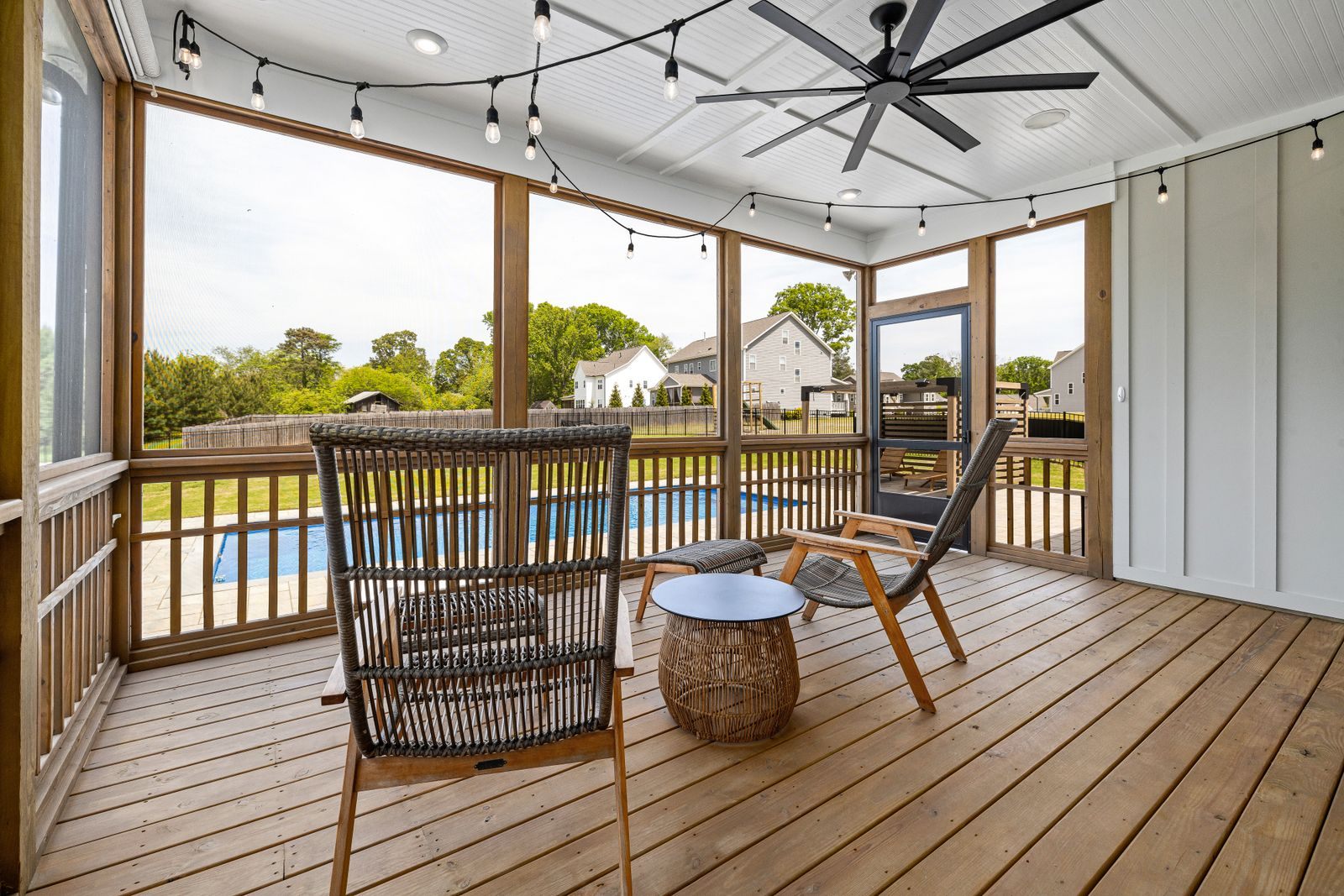
Pool Screen Enclosure Repair
Re-screening pool cage and lanai panels, and knowing where the DIY line is.
Hurricane Season PrepIn Florida and much of the Sun Belt, a pool cage or screened lanai is part of daily life. Pool screen enclosure repair is mostly about replacing individual mesh panels — but because the frame is a structure that has to stand up to wind, it is worth knowing where the DIY line is.
How an Enclosure Is Put Together
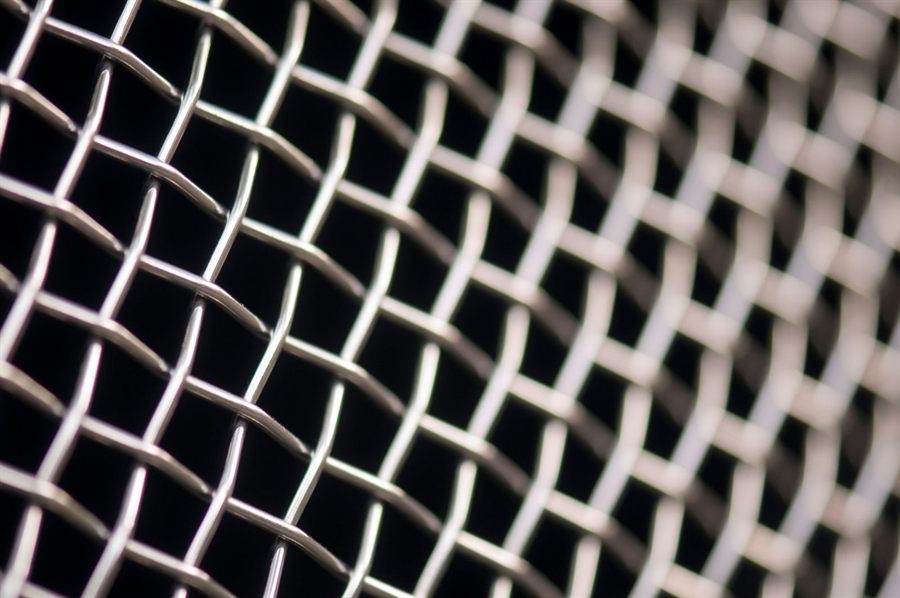
A typical enclosure is a frame of aluminum beams, posts and purlins, divided into panels. Each panel has a spline groove around its edge, just like a window frame but much longer, and the mesh is rolled into that groove. Wall panels are often heavier-duty mesh near the ground (where people and pets hit it) and lighter or finer mesh higher up and on the roof.
Signs Your Enclosure Needs Attention
- Panels flapping loose, sagging or pulled out of the spline.
- Holes from storms, branches, birds or pets.
- Gray, chalky or brittle mesh that tears when touched.
- Corrosion, loose screws or gaps where beams meet the deck or house.
- Doors that no longer close because the frame has shifted.
DIY Panel Re-Screening
- Pull the old spline and mesh from the panel.
- Clean the channel; aluminum grooves collect sand and pool chemicals.
- Roll new mesh in along the top first, then the bottom, then the sides, keeping it snug.
- Trim the excess with a sharp blade angled away from the mesh.
- Check that the panel isn’t pulling the frame members out of line.
Use the same mesh as neighboring panels so the enclosure looks uniform, unless you are deliberately upgrading low panels to pet-resistant or heavier mesh.
When It Is Not a DIY Job
- Roof panels or any panel you cannot reach from a stable ladder on the deck.
- Bent, cracked or corroding beams, gutters or anchors.
- A whole enclosure re-screen, which is easier with a crew and changes how wind loads the frame during the job.
- Any work your local building department says needs a permit.
In Florida, the Florida Building Commission maintains the state building code, and the Florida DBPR license search lets you check a contractor’s license. Other states have their own rules; ask your local building department.
Pool Screen Enclosure Repair FAQ
Can I re-screen a pool enclosure panel myself?
Many homeowners re-screen low wall panels themselves using the same spline-and-roller method as a window. Panels high on the walls or on the roof need ladders or scaffolding and a second person, and working on top of an enclosure is dangerous. Leave roof panels and anything structural to a contractor.
Do I need a permit to repair a screen enclosure?
It depends on where you live and what you are doing. Re-screening is often treated differently from structural repairs or a new enclosure, which usually need a permit and must meet local wind-load rules. Ask your city or county building department before work starts.
How do I check a contractor in Florida?
Florida licenses structural aluminum and screen enclosure work through the Department of Business and Professional Regulation. You can look up a contractor’s license by name or number in the DBPR online search, and ask for proof of insurance as well.
Safety first. Work from a stable ladder, never lean on a screen panel or enclosure frame for support, and keep blades away from your hands. Anything structural — bent or loose aluminum members, damaged anchors, a roof panel over a pool — is a job for a licensed contractor, and many areas require a permit for it.
Storm Season Coming?
See how to get a pool screen enclosure ready for hurricane season and what to check after a storm passes.
Hurricane Season Guide